
CDL 50

CDL 50 · Tom Hogg in conversation with Nigel Phillips

A life’s
work.

Fifty years of building what lasts.

Tom Hogg reflects on the judgement, engineering and customer commitments behind five decades of CDL.

Read the conversation

Fifty years,
viewed at close range.

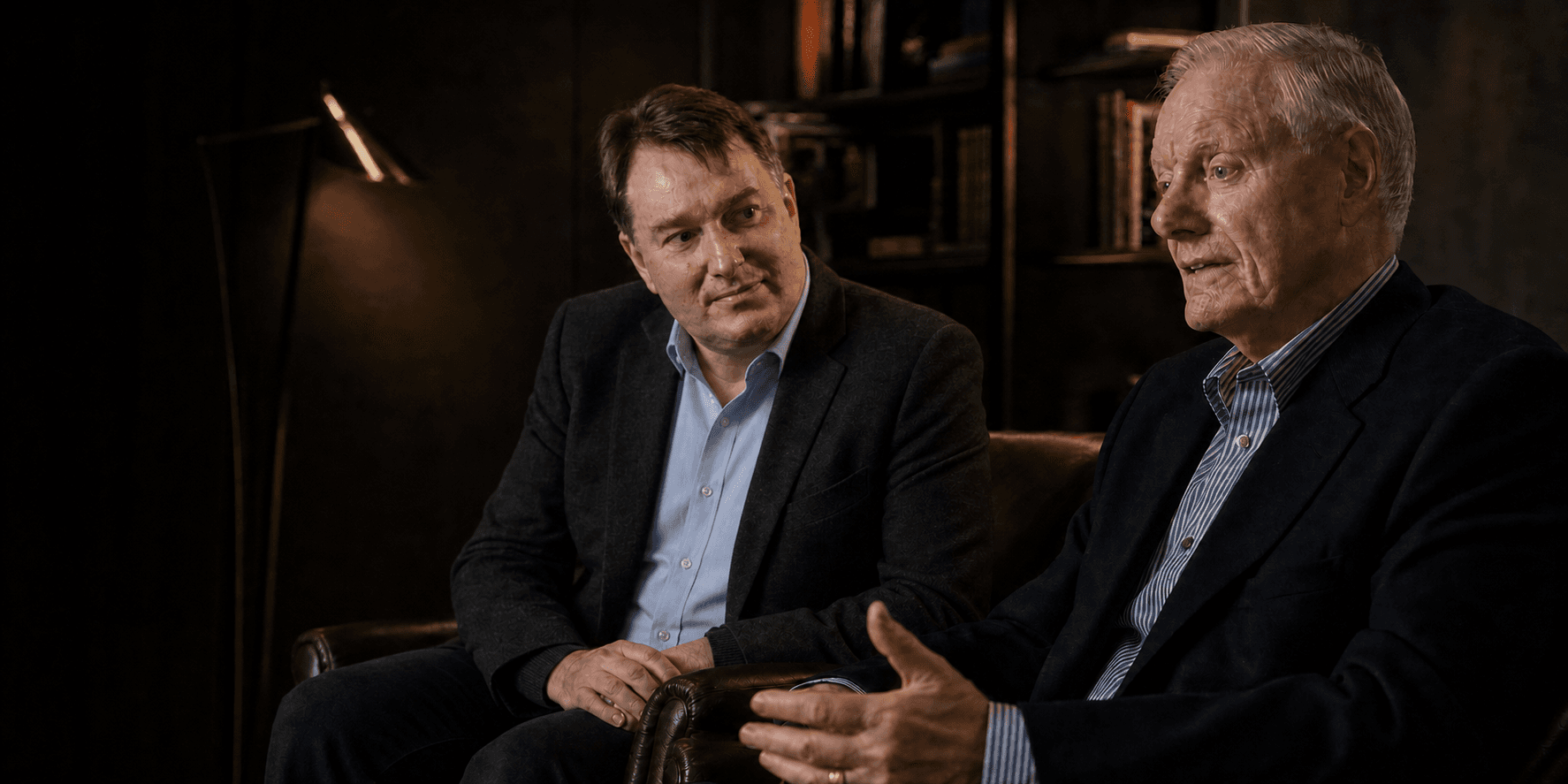
Nigel Phillips has worked alongside Tom Hogg for more than twenty-five years and has led CDL as chief executive for more than five. Their conversation starts with decisions both men know first-hand: the early focus on insurance; the discipline of keeping data current; the move from software product to national infrastructure; and the succession of leadership that carried CDL into cloud, data and AI.

Nigel brings the perspective of a colleague who helped shape the modern company. Tom brings the founder’s memory, judgement and dry humour.

“I could think for the long term.”Tom Hogg
01

Chapter 01 · 4 exchanges

The view from here

At fifty, Tom looks beyond the anniversary and towards the next piece of work.

Nigel Phillips asks

What matters at fifty?

Tom, every anniversary speech you have ever heard ends with you steering the room back to the next piece of work. Fifty years makes that manoeuvre harder. Looking across CDL today—the people, the customers, the platforms, Stockport and the next wave of technology—what gives you the deepest satisfaction?

Tom Hogg

I see a company still in motion. It serves live customers, changes its technology and takes on problems that did not exist when we began. The anniversary has weight because the company remains relevant.

The scale rests on a sequence of decisions: choosing insurance; keeping rates and software current; building quotation technology; creating Classic; taking insurance online; beginning Strata while Classic was still strong; investing in Stockport; and moving live businesses into the cloud with care. Together they created the ability to keep changing while retaining the customer’s trust.

What satisfies me most is the continuity of judgement. The machines changed beyond recognition, the market became faster and more demanding, and CDL kept asking the same serious question: what will make the customer’s business work better? Fifty years of evidence says that question has travelled well.

The broker’s working day · the market CDL chose to understand in depth
Fifty years of evidence says that question has travelled well.Tom Hogg

Nigel Phillips asks

Code and consequence

Your early career gave you two instincts that still shape CDL. The programmer wanted exact logic. The salesman wanted a result the customer could see. How did you reconcile them?

Tom Hogg

Programming teaches you that precision is a form of accountability. The machine executes the logic it is given, including every ambiguity and every mistake. Selling teaches you that technical elegance earns its value when it changes the customer’s position.

CDL grew from the combination. We had to understand insurance well enough to express it accurately in software, then explain the result clearly enough for a broker to trust it with a live business. In the early years, buyers were purchasing a possibility as much as a machine. They needed to understand what Monday morning would look like after the installation.

Listening mattered, and so did having a view. The customer knows the friction in today’s process. A good technology company also sees what becomes possible once the process is redesigned.

Colleagues in conversation · CDL archive, 2014

Nigel Phillips asks

Choosing the contest

The Rolls-Royce and leather-jacket story survives because it compresses your strategy into one scene. You disrupted the expected pattern, then had to justify the attention. How deliberate was that?

Tom Hogg

Very. As a one-man business, I was competing with firms whose authority came from size, uniform and familiarity. A memorable entrance opened the conversation. A sharper understanding of the customer’s operation won the work.

Style can create attention; competence converts it into trust. The deeper strategy was to choose a contest in which knowledge, speed and judgement counted for more than scale.

That is what the tanks-and-battleships line means: choose the terrain on which your strengths matter. We studied competitors, respected the good ones and kept returning to customer value. Rivalry earns its place by improving the answer; the rest is theatre.
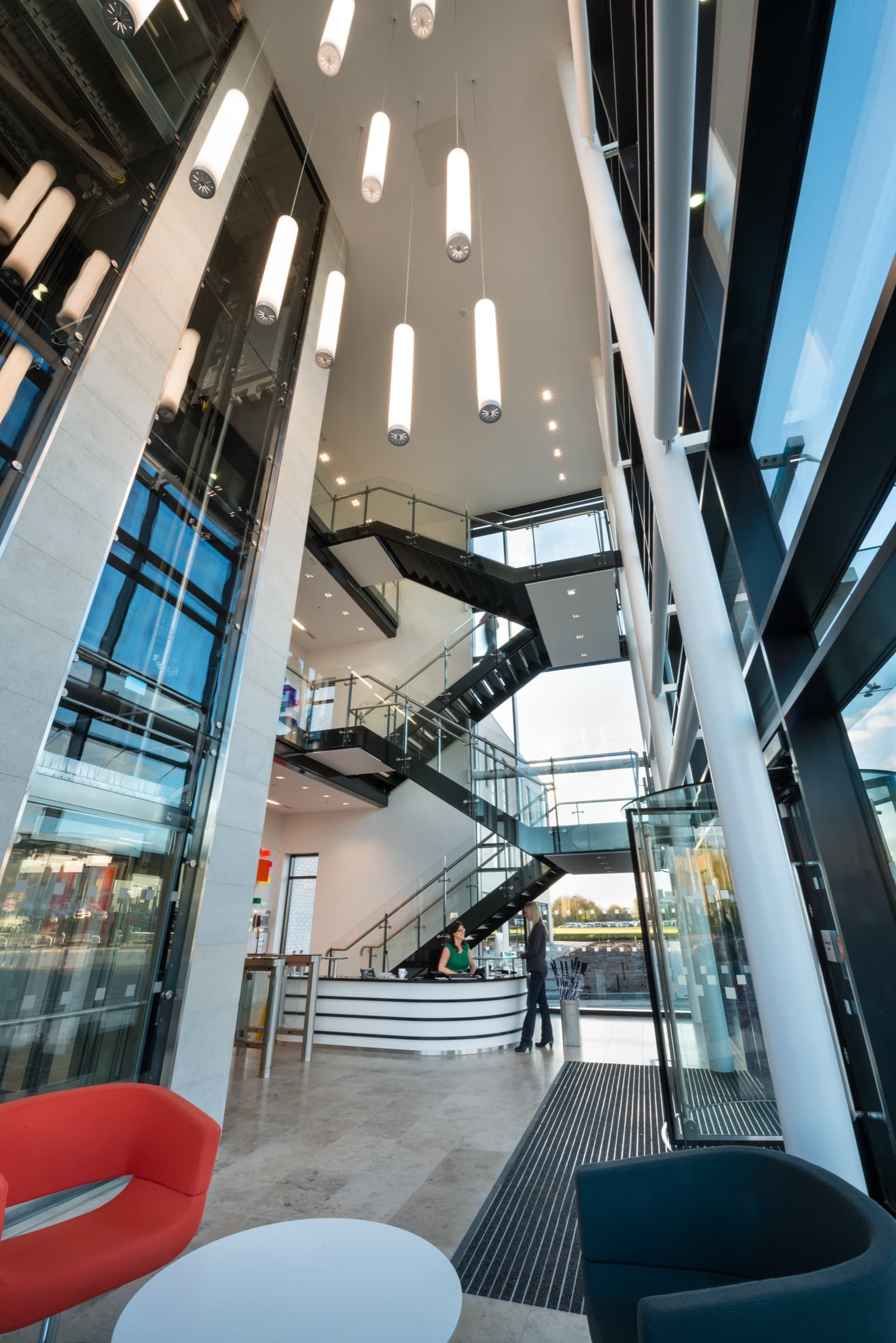
The atrium at Strata House · CDL archive, 2014
If you’ve got tanks and I’ve got battleships, then we fight in the Mediterranean.Tom Hogg

Nigel Phillips asks

Ambition, made practical

Your ambition has always been visible in the work: the next release, the next architecture, the next customer problem. What made that form of ambition compelling?

Tom Hogg

I enjoyed making systems do more. A better answer on Monday morning, a broker able to handle more business, a platform ready for a new market channel—those were tangible measures of progress.

That practical focus allowed us to take large decisions. The quotation engine, Strata, the Stockport campus and the cloud programme all required conviction and capital. Each had to be supported by a clear operating case and carried through disciplined engineering.

I described myself as a dreamer, and I meant it. I liked forming a view of where technology was going before the request arrived. The dream became valuable when it acquired architecture, a release plan, service economics and a result the customer could recognise.

From paper administration to current, structured information
I don’t wait for the customer to ring up and say, ‘Can you do this?’Tom Hogg
Next chapterStarting with intent
02

Chapter 02 · 4 exchanges

Starting with intent

A licence, a family home and a standard of responsibility that arrived before scale.

Nigel Phillips asks

The company at home

The kitchen table has become the shorthand for 1977. Take us past the shorthand. What did the business look and feel like in practice?

Tom Hogg

CDL began with a licence to sell DEC computers, software work for Brother International, experience in programming and sales, and our own judgement. Completed work financed the next piece of work. The family home served as office, meeting room, workshop and switchboard.

Jessica and I founded the company together. Family life and company life shared the same rooms, which made responsibility immediate. Every promise to a customer came back into the house with us. The contract and its consequence were always visible.

The scale was small; the obligation was complete. A customer still expected the system to work, the data to be right and the problem to be answered. That was good training for a company that would later carry far larger businesses.

Colleagues mark the completion of CDL’s cloud programme · 2022
Responsibility arrived before scale.Tom Hogg

Nigel Phillips asks

The freedom to choose

Self-funding gave CDL control over the timetable: when to sell, when to pause and when to invest. How consciously did you protect that freedom?

Tom Hogg

Consciously and consistently. Work financed the next phase, retained ownership preserved the horizon, and profits were reinvested in products, people and property. CDL retained private ownership and built financial strength from its own trading.

That freedom had practical uses. We could slow new sales when live customers needed attention, decline work that fitted poorly, invest before the return was obvious and sustain a platform programme across a horizon measured in years. Strata became the largest example, but the principle was present from the beginning.

Financial strength created room for judgement. Independence allowed us to choose for durable value, even when the return sat years ahead.

The cloud celebration brought teams together across the campus · 2022
Strategic time becomes valuable when it produces better products and better decisions.Tom Hogg

Nigel Phillips asks

How standing is earned

At some point another desk became another person’s livelihood, and another customer became a commitment measured in years. When did the business begin to carry the weight of an institution?

Tom Hogg

It happened through repeated proof. A contract paid for an installation; the installation created the next piece of software; the next piece of software opened room for another customer and another colleague. Each step enlarged the obligation because more people depended on the quality of our decisions.

Lake Street mattered because the team had a place of its own. Renewals mattered because they showed that an installation had become trust. A colleague handling a support call well mattered because the standard was beginning to travel through the organisation.

Institutions are often described in grand terms after the fact. In the moment, they are built through ordinary commitments kept consistently: another desk, another release, another customer, another promise.

Rating rules translated into dependable quotation software
CDL earned its standing one customer, one release and one promise at a time.Tom Hogg

Nigel Phillips asks

A method that endured

By the time the company left the house, which principles were already settled?

Tom Hogg

Choose a market where technology can change the economics. Understand the customer’s operation in detail. Keep control of the timetable. Reinvest. Build the next system while the current one still gives you room to choose. Treat trust as an asset that compounds slowly and can be forfeited quickly.

That method travelled through personal computers, telephone distribution, EDI, the web, comparison sites, telematics, cloud infrastructure and now artificial intelligence. Each era produced different products; the underlying decision process remained recognisable.

Scale came from repeating sound judgement. Once a company can identify the important problem, build the right system and earn trust in use, time becomes an advantage.

Working relationships at CDL’s cloud celebration · 2022
Understand the work, find the leverage, build with discipline and earn trust in use.Tom Hogg
Next chapterFinding insurance
03

Chapter 03 · 4 exchanges

Finding insurance

A market of repeated administration revealed where technology could earn its return.

Nigel Phillips asks

The economics of insurance

You described the opportunity in a simple formula: high volume, low value, labour intensive and a mandatory purchase. What made insurance such a compelling technology market?

Tom Hogg

I wanted a market where a computer could change the economics materially. Repeated administration creates leverage: improve a task performed thousands of times and the effect compounds across the whole operation.

Motor insurance fitted the pattern. It was mandatory. Brokers handled large volumes of quotations, renewals, documents, payments and insurer rules. Each transaction carried modest value; the combined labour and complexity were substantial.

The larger opportunity was to connect the sequence. The same information moved through quotation, sale, documentation, accounting, renewal and insurer reporting. A coherent system could improve the whole working day. That was the point at which insurance became a market worth learning in depth.

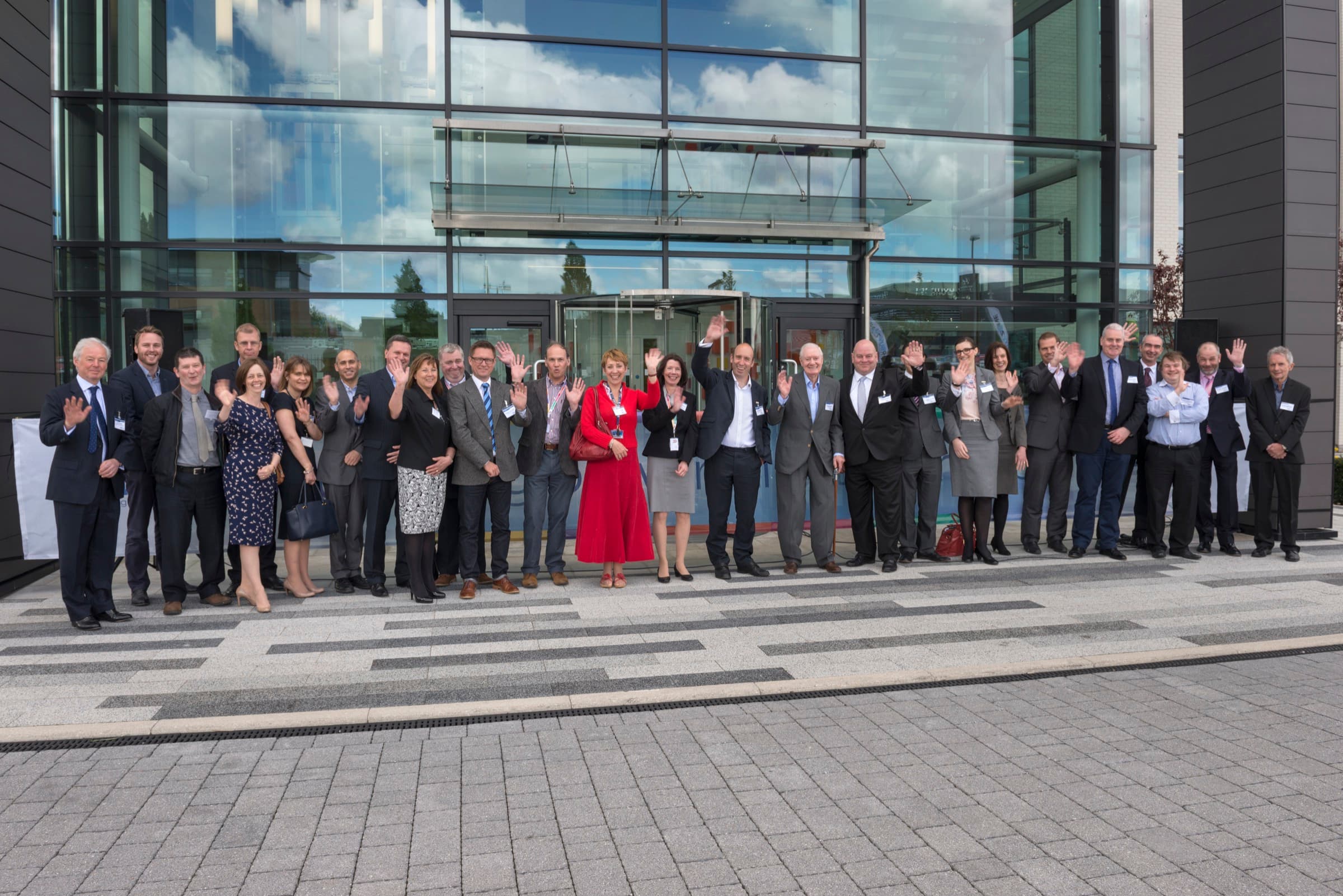
Customers and colleagues at CDL · May 2015
Repeated friction is where technology earns its return.Tom Hogg

Nigel Phillips asks

The first broker

What did the first broker reveal about the market?

Tom Hogg

That administration package changed CDL’s direction. It took us inside the broker’s working day and revealed an industry shaped by repeated administration, fragmented insurer rules and ambitious people whose growth was constrained by process.

The system could alter the economics of the business and move far beyond record-keeping. The same information travelled through quotation, policy, payment, renewal and insurer reporting. Connecting those steps created value across the whole operation.

That first relationship also established the standard for insurance software. An error could affect a quotation, a policy, a payment or a customer’s cover. Technical accuracy had to be matched by a working knowledge of the market.

Policy records, documents and accounting connected in one working system

Nigel Phillips asks

Inside the broker’s working day

Take us behind the counter before quotation engines, integrated documents and real-time insurer links. Where did time disappear, and where did risk enter?

Tom Hogg

The work was fragmented. Customer details were gathered, rates checked through manuals or separate sources, calculations repeated, documents produced, money collected, insurers informed, and the same information written or keyed several times.

Delay accumulated between the steps. A customer waited while somebody checked a rate. A document travelled through the post. A payment required separate handling. Every hand-off created another opportunity for error and another piece of administration.

The broker’s real advantages were judgement, relationships and access to the right market. Administration consumed time that should have strengthened those advantages. A serious system therefore had to connect the full chain: customer, risk, price, policy, document, payment, renewal and insurer reporting.

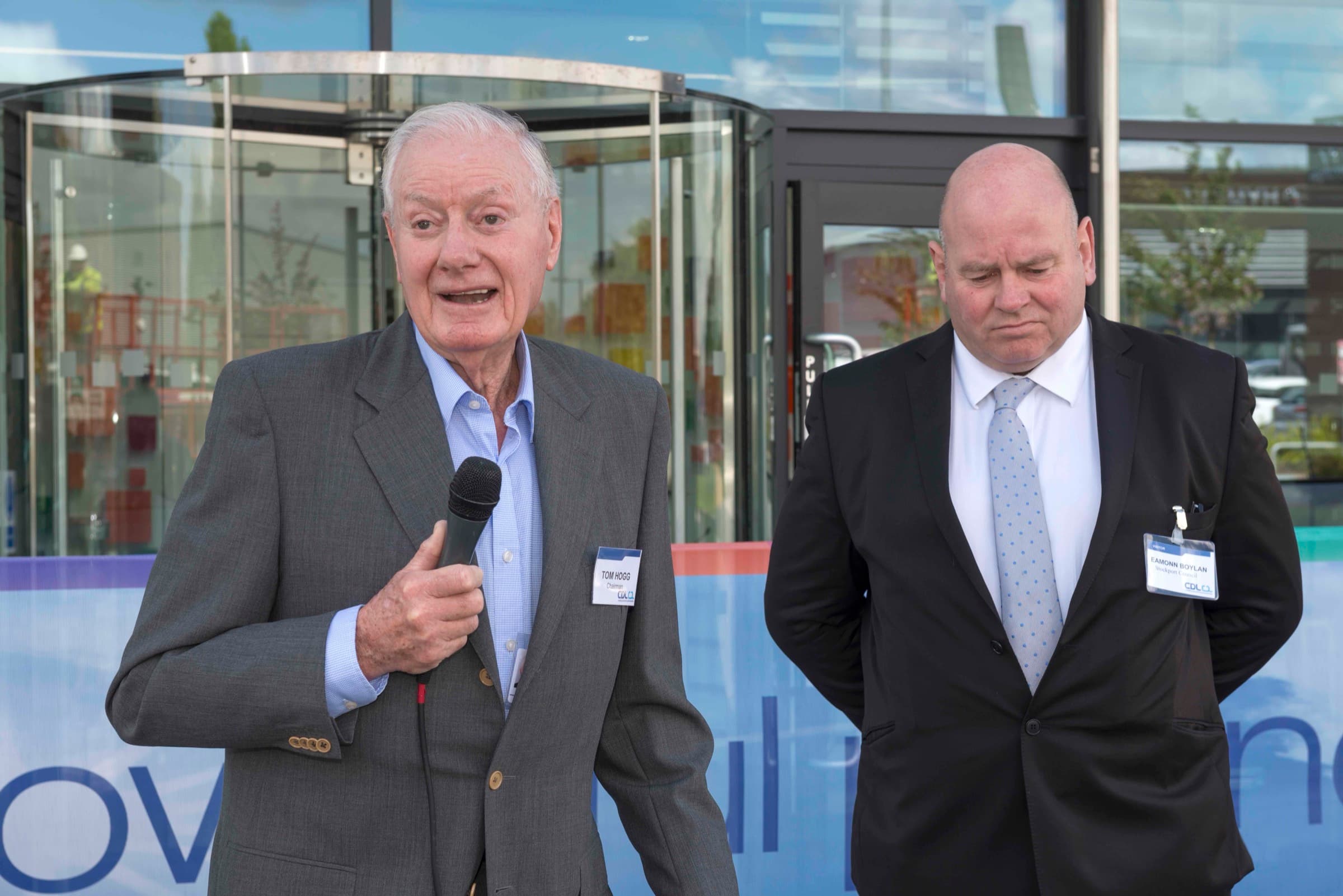
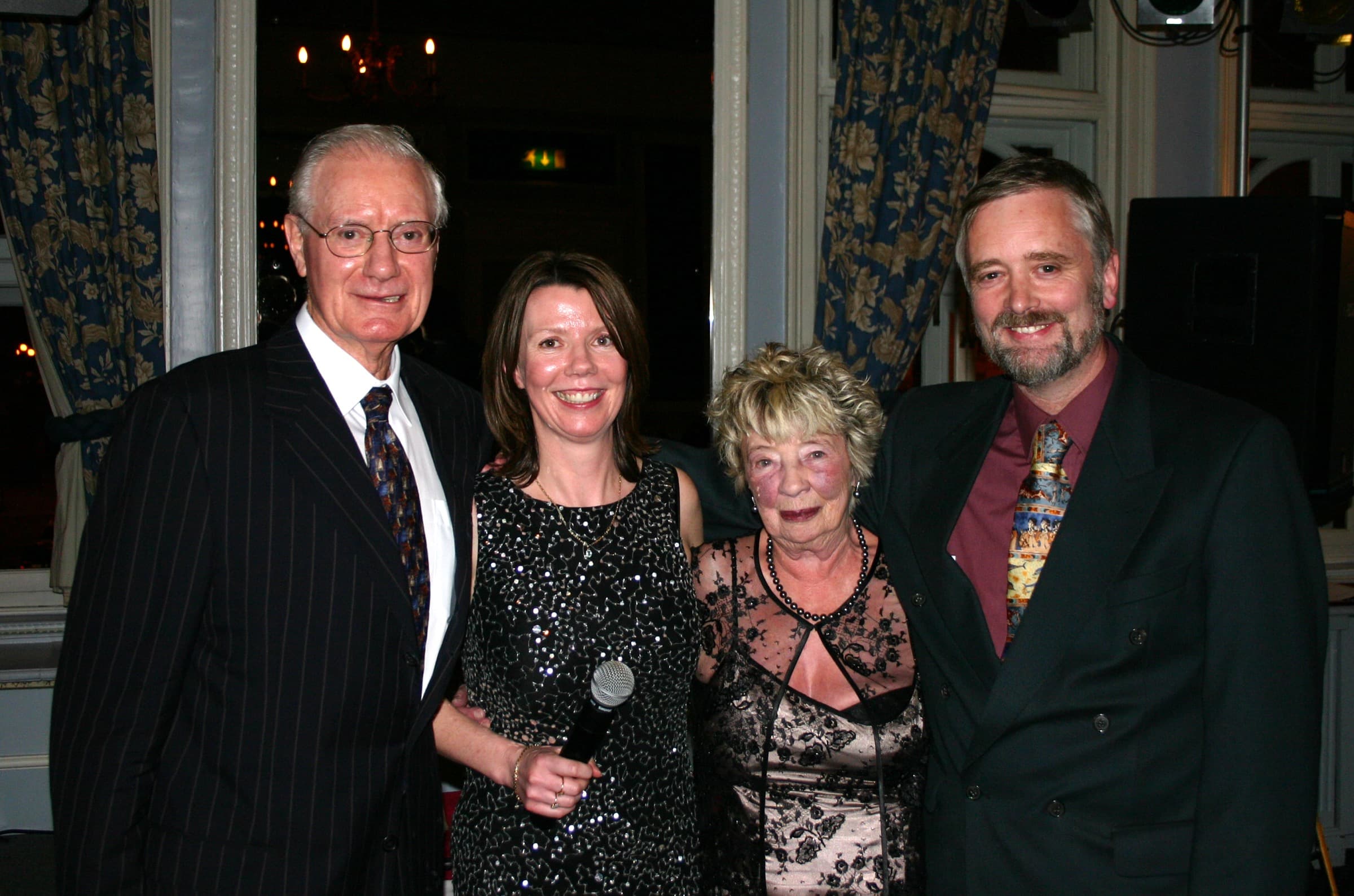
Tom Hogg addresses customers and colleagues · May 2015
A feature improves a step. A platform changes what the business can do reliably, day after day.Tom Hogg

Nigel Phillips asks

The advantage of depth

Many technology companies chase breadth. CDL chose depth in one industry. What did specialisation allow you to see and build?

Tom Hogg

Depth created differentiation. General computing suppliers could provide hardware and generic software, often at a lower price. CDL could understand the broker’s operation, the insurer relationship and the practical consequences of a change in rating, documentation or settlement.

That knowledge compounded. Each implementation improved the product. Each customer conversation sharpened our view of the market. Each release carried more insurance understanding into the software. The next problem arrived in a context we already knew.

Specialisation also created trust. Brokers could speak to other brokers already using the system. Word of mouth did most of the serious selling. Fit mattered as much as focus: CDL was strongest with brokers whose scale and ambition could use the system fully.

Strata operations · the physical work behind live insurance software
Knowledge earns value when it is repeatedly returned to the product.Tom Hogg
Next chapterCurrent by morning
04

Chapter 04 · 4 exchanges

Current by morning

Constraint forced clarity. Current information turned underwriting judgement into working software.

Nigel Phillips asks

Design under constraint

Five megabytes is now smaller than an ordinary photograph. What did that level of constraint teach you about data and design?

Tom Hogg

It made every field a decision. Storage was expensive, communications were slow and hardware capacity formed part of the product design. A space in a date, the shape of a record and the duplication of information all carried a measurable cost.

That pressure forced clarity. We had to decide which information mattered, how records related and how often data needed to move. The architecture had to express the business logic with economy.

Capacity is abundant today; coherence remains scarce. Fast networks amplify the information model they are given, and cheap storage preserves disorder as efficiently as it preserves value. The questions are still fundamental: what must the system know, how current is it, how certain are we, and which decision will it support?

Structured information moving between brokers and insurers
Every field, lookup and transaction had to justify its place.Tom Hogg

Nigel Phillips asks

From overnight updates to live quotation

Overnight rate changes in 1982, the quotation-engine decision in 1983, and the first operational engine in 1986. How did one lead to the next?

Tom Hogg

The first insight concerned freshness. We saw competitors producing monthly update disks and understood that a rating system is only as good as the rates it carries. A rapid calculation using last month’s information simply delivers the wrong answer faster.

Sending changes down telephone lines overnight altered the broker’s starting position. They opened the next morning with current rates while parts of the market were still working from an older disk. The advantage was immediate and measurable.

The quotation engine required a deeper translation. Insurer rules, factors, exceptions and effective dates had to become software capable of returning a reliable price in seconds. The decision, the build, the testing and the first live use belong to different dates. That sequence gives a truer account of invention than a single moment.

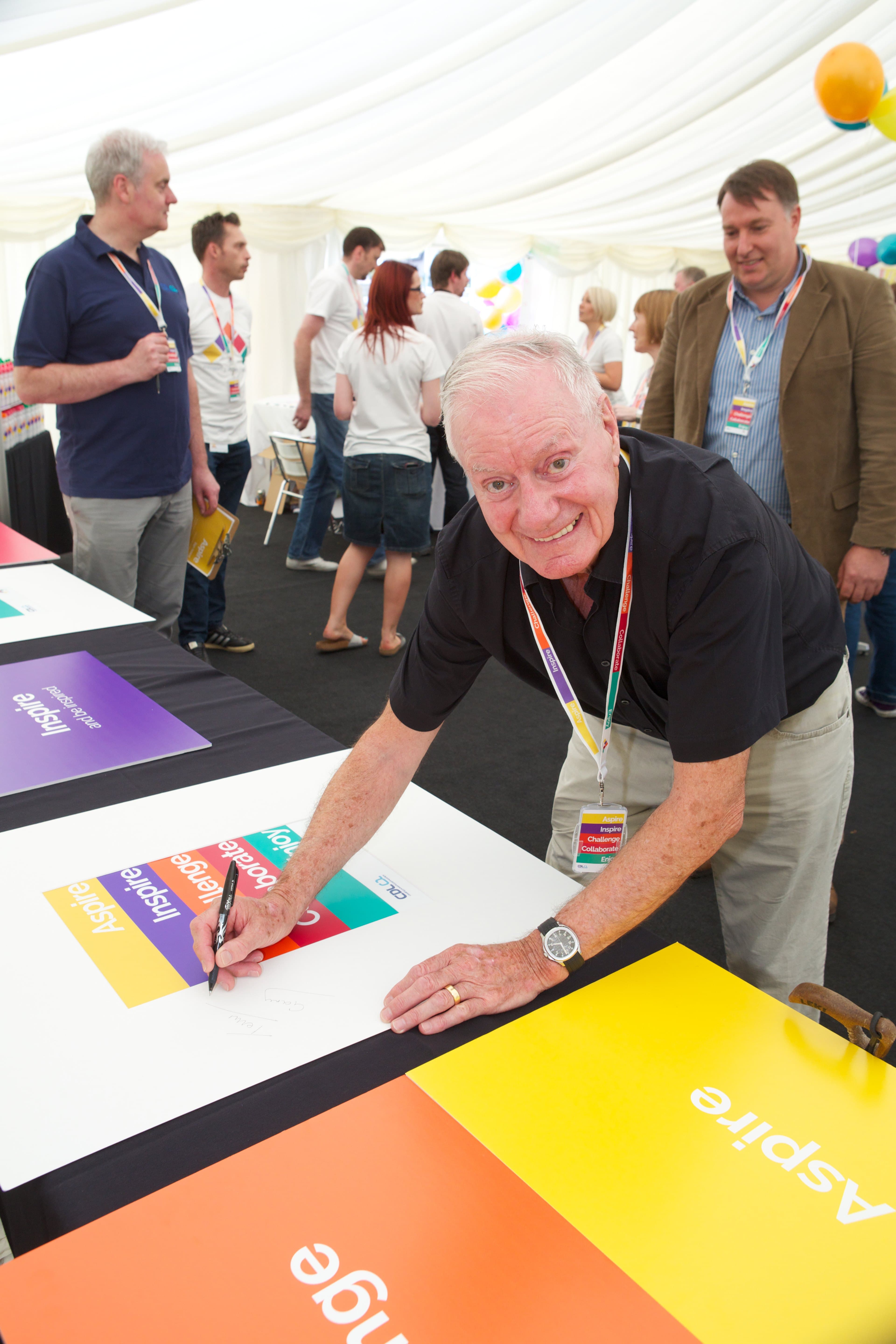
CDL’s mission, vision and values launch · June 2014

Nigel Phillips asks

Turning underwriting into software

A quotation engine now feels inevitable. At the time, it meant translating an insurer’s judgement into code. What had to be true before a broker could trust the result?

Tom Hogg

The system had to express the insurer’s rules accurately, apply the correct version for the correct date, capture the risk information consistently and make exceptions visible.

Speed was the obvious benefit. Control created confidence. A broker could calculate a rate by hand and explain how the answer was reached. The software had to earn the same trust through known test cases, reconciled results, disciplined change control and reliable operation.

Once those conditions were met, the commercial effect was immediate. A broker could quote several insurers while the customer was still on the telephone or in the office. The customer received an answer within the conversation. The insurer’s appetite became executable at the broker’s desk.

A CDL customer event at The Lowry · March 2007
Speed changed the conversation. Control made the answer trustworthy.Tom Hogg

Nigel Phillips asks

Completing the transaction

Direct Line changed the tempo of personal insurance. Customers began to expect an immediate answer. What had to happen beyond the price for brokers to compete?

Tom Hogg

The quotation engine had to connect with the rest of the operation. A fast price loses its value when documents, payments, policy records and insurer communication still move at the pace of paper.

We built outward. Classic became part of the answer in the early 1990s. Laser-printed documents, card payments and BACS in 1990, followed by Business EDI in 1995, removed days of delay and large amounts of rekeying.

The broker could issue documents, collect money and send structured information to insurers from one working system. Customers received quicker service, insurers received cleaner information and staff could handle more business with fewer avoidable errors.

Quotation and purchase brought into the browser in 1998
Next chapterThe market meets the customer
05

Chapter 05 · 4 exchanges

The market meets the customer

Software became infrastructure, then stepped out from behind the broker’s desk.

Nigel Phillips asks

From software to infrastructure

Classic became part of the broker’s operating model. What changes for the supplier once customers depend on the platform to trade?

Tom Hogg

The obligation expands. When quotations, policy records, documents, payments and renewals depend on the system, reliability, support and change control become part of the product.

The platform also has to grow with the business. A broker may add branches, brands, schemes, channels or acquisitions. The software must accommodate that change while preserving the integrity of the operation.

Classic earned its position over years. The product accumulated insurance knowledge; the organisation accumulated operational knowledge: how releases affected live users, how different business models behaved and how to improve the system while protecting service.

A mature platform also forces an architectural question. The live customer base provides strength, evidence and cash flow. Those advantages create the best opportunity to build the next system before the market outruns the old one.

CodeWorks · long-term investment in place and technical capability
A successful product should finance its successor and provide the confidence to begin in time.Tom Hogg

Nigel Phillips asks

Designing for the customer

In 1998 CDL’s first online service allowed a customer to quote and buy in a browser. When the customer began to navigate the journey directly, which parts of the experience had to be redesigned?

Tom Hogg

The broker previously carried a great deal of interpretation: explaining a question, investigating an unusual answer, reading hesitation and relating the price to the cover. Online, that intelligence had to be expressed in the product.

Wording, sequence, validation and recovery from incomplete information became design decisions. The customer needed to understand the question, the price, the cover and the next step with confidence.

The browser also exposed every connection underneath. The quote became the first event in a real-time chain: pricing, payment, documents, policy records and service. The customer experienced one journey even when several systems and organisations were involved.

That enlarged CDL’s responsibility. We were shaping the customer experience as well as the broker’s operation. Every interface since has carried the same obligation: absorb the internal complexity and present a coherent path from intention to completed transaction.

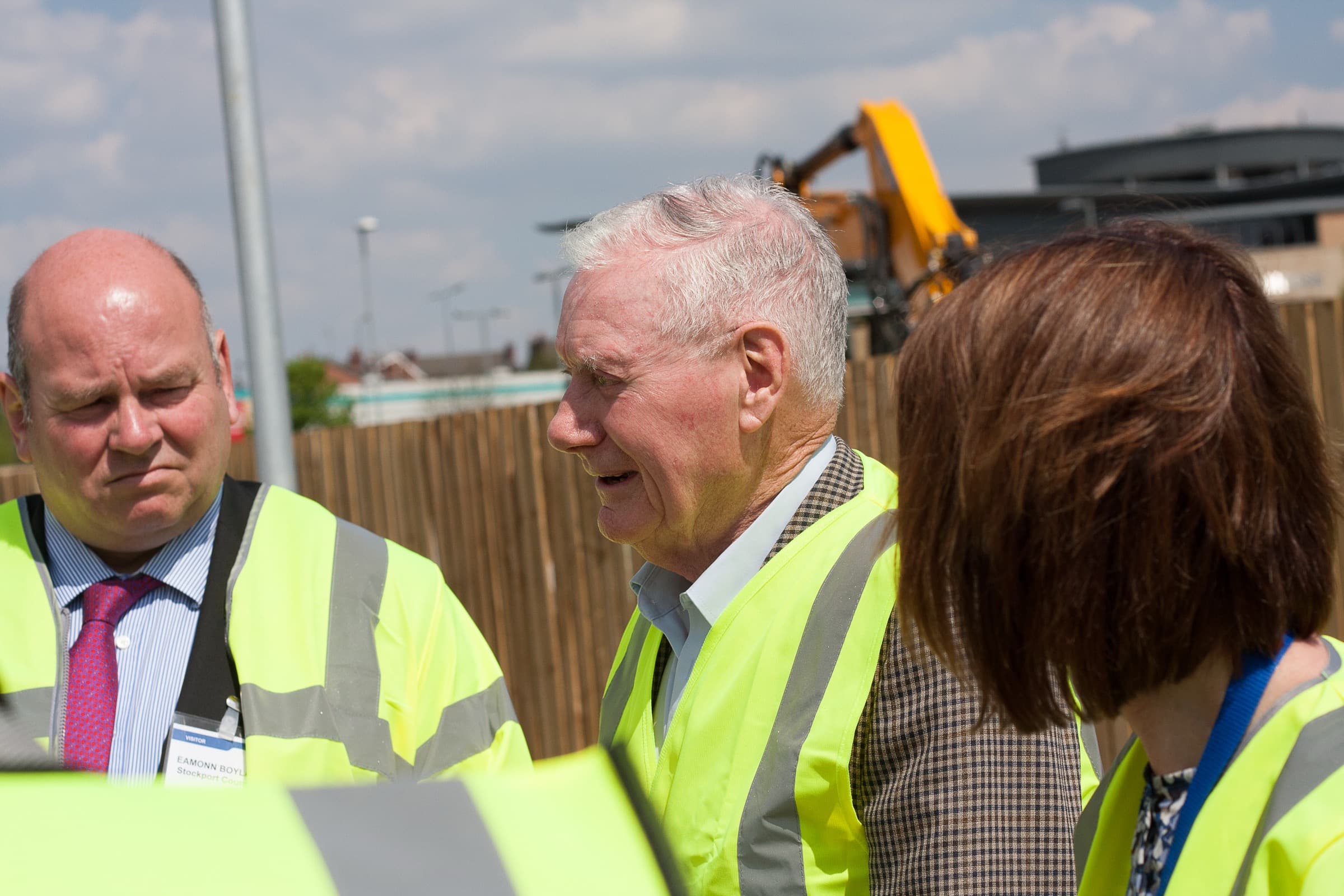
Breaking ground for CDL’s next phase · May 2013

Nigel Phillips asks

Seeing comparison early

You anticipated comparison, proposed a co-operative ownership model that CDL customers declined, and later watched CDL power around twenty comparison sites. What did the first proposal understand, and what did the market teach you?

Tom Hogg

The first proposal read the direction correctly. Customers would want to compare the market in one place, and the software connecting brokers and insurers could make that possible.

The ownership model asked independent entrepreneurs to subordinate their brands and commercial interests to a shared structure. They all said no. That answer identified the missing condition for adoption.

The work still left us with technical assets and a clearer view of the channel. When independent comparison brands developed the market, CDL was well placed to provide the infrastructure behind them.

A clear view of the future still needs the right commercial form. Timing, incentives and ownership determine whether a technical possibility becomes a market.

Distribution, pricing and comparison connected at increasing scale
Being early describes the calendar. Adoption requires alignment.Tom Hogg

Nigel Phillips asks

When behaviour became data

Telematics shifted the unit of analysis from broad category to observed behaviour. You were already expecting several telematics propositions on a broker’s panel. What did you see changing?

Tom Hogg

Traditional rating grouped people using information gathered at quote. Telematics introduced a stream of evidence about how the vehicle was actually used. The relationship between the model and the risk became more continuous.

The device was only the delivery mechanism. The deeper change was that information continued to arrive after the policy began. Pricing, service and risk management could respond as behaviour and circumstances changed, including between renewals.

Better evidence creates opportunities for fairer pricing, more relevant service and interventions that reduce risk. It also raises the standard for explanation. Customers need to know what is collected, how it is interpreted and what consequence follows.

Insurance was becoming connected to live behaviour, and the platform would have to manage the resulting complexity.

The team at the 2013 campus groundbreaking
Next chapterThe Strata bet
06

Chapter 06 · 4 exchanges

The Strata bet

CDL chose to rebuild while success still provided time, evidence and freedom.

Nigel Phillips asks

Building Strata while Classic was strong

Classic was trusted and profitable. You chose that moment to build its successor. What made the case for Strata around 2000?

Tom Hogg

The market was moving towards online distribution, comparison, larger customers, more integrations and more complex operations. CDL needed an enterprise platform capable of carrying the whole business through one coherent architecture.

A successful product provides customers, evidence and cash flow. Those assets create the strongest conditions for building what comes next. Classic gave us the freedom to start Strata deliberately and to learn through the build.

Classic’s continuing performance gave us both the luxury and the responsibility to think strategically. We judged the new architecture against the market that was forming and the market we already served.

Past success supplied the means; the emerging market supplied the destination. We began while we still had the freedom to build properly.

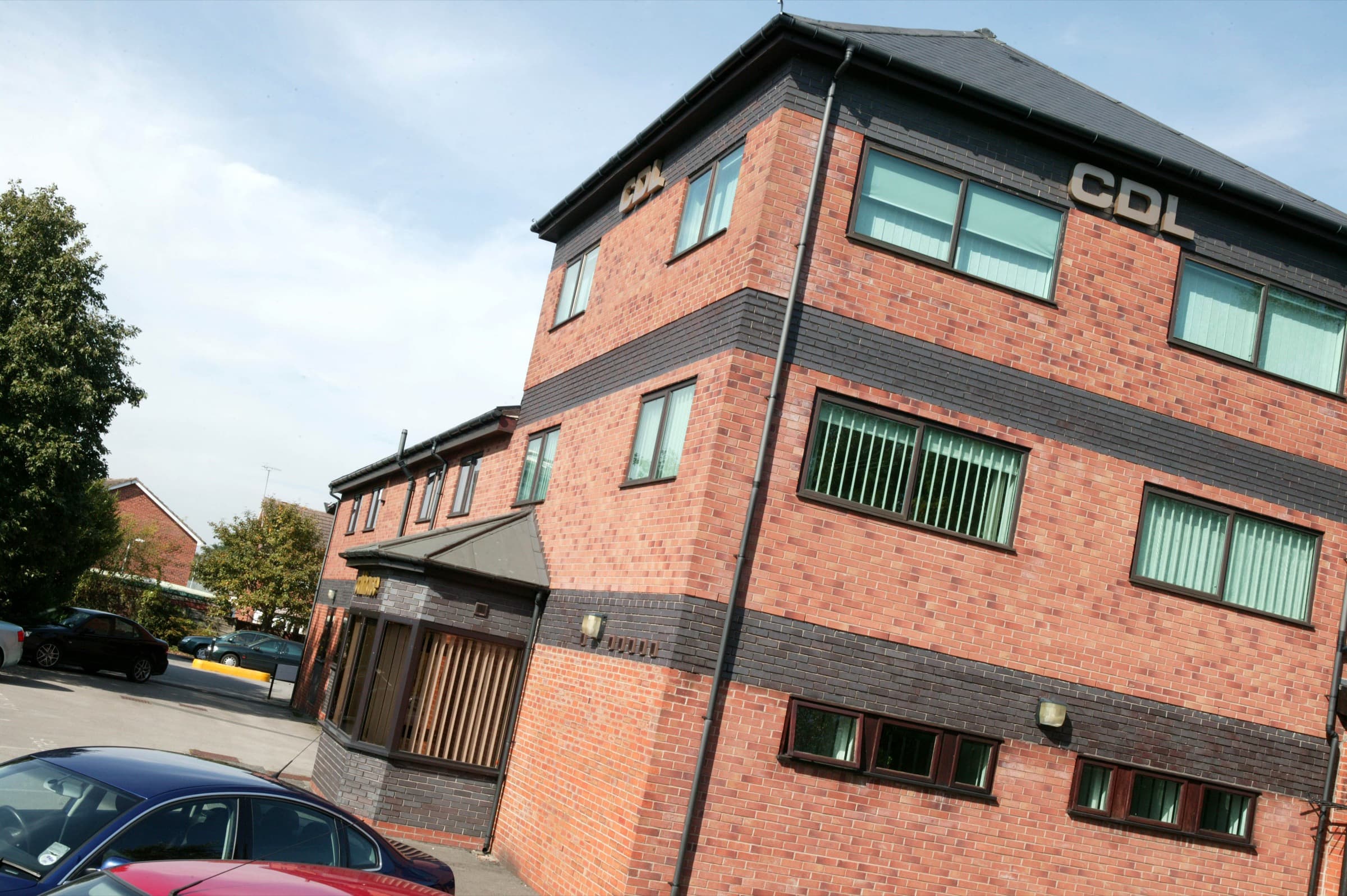
CDL House on Hindley Street · an earlier chapter in the company’s growth
Build a successor while the current platform still gives you time, evidence and choice.Tom Hogg

Nigel Phillips asks

The £20 million decision

Twenty million pounds tests whether long-term thinking is a principle or a slogan. What kept the programme intellectually honest?

Tom Hogg

A decision of that scale should attract scrutiny. CDL carried the cost of the new architecture while continuing to support and improve the live estate. The future programme had to advance while today’s customers continued to trade at full pace.

Independence gave us the horizon. Milestones, architecture reviews, technical proof, customer evidence and economic discipline governed the programme. Long-term thinking means following the evidence through a serious decision, including evidence that requires a change of course.

Strata kept earning confidence. The architecture proved it could support more of the insurance operation, more channels and larger customers than the previous model allowed. Conviction strengthened because the product and the market kept validating it.

The investment was bold and informed. Governance converted a founder’s conviction into a programme the company could carry.

Strata supporting complex, high-volume insurance operations

Nigel Phillips asks

Platform, place and continuity

Strata House opened in 2006, named for the platform and dedicated to Jessica’s memory. The campus also made CDL’s commitment to Stockport visible. What did you want the place to say about the company?

Tom Hogg

Jessica helped build CDL from the beginning. Dedicating the headquarters to her memory connected the next phase of the company to that history. Strata gave the building its name; Jessica’s contribution gave it personal meaning.

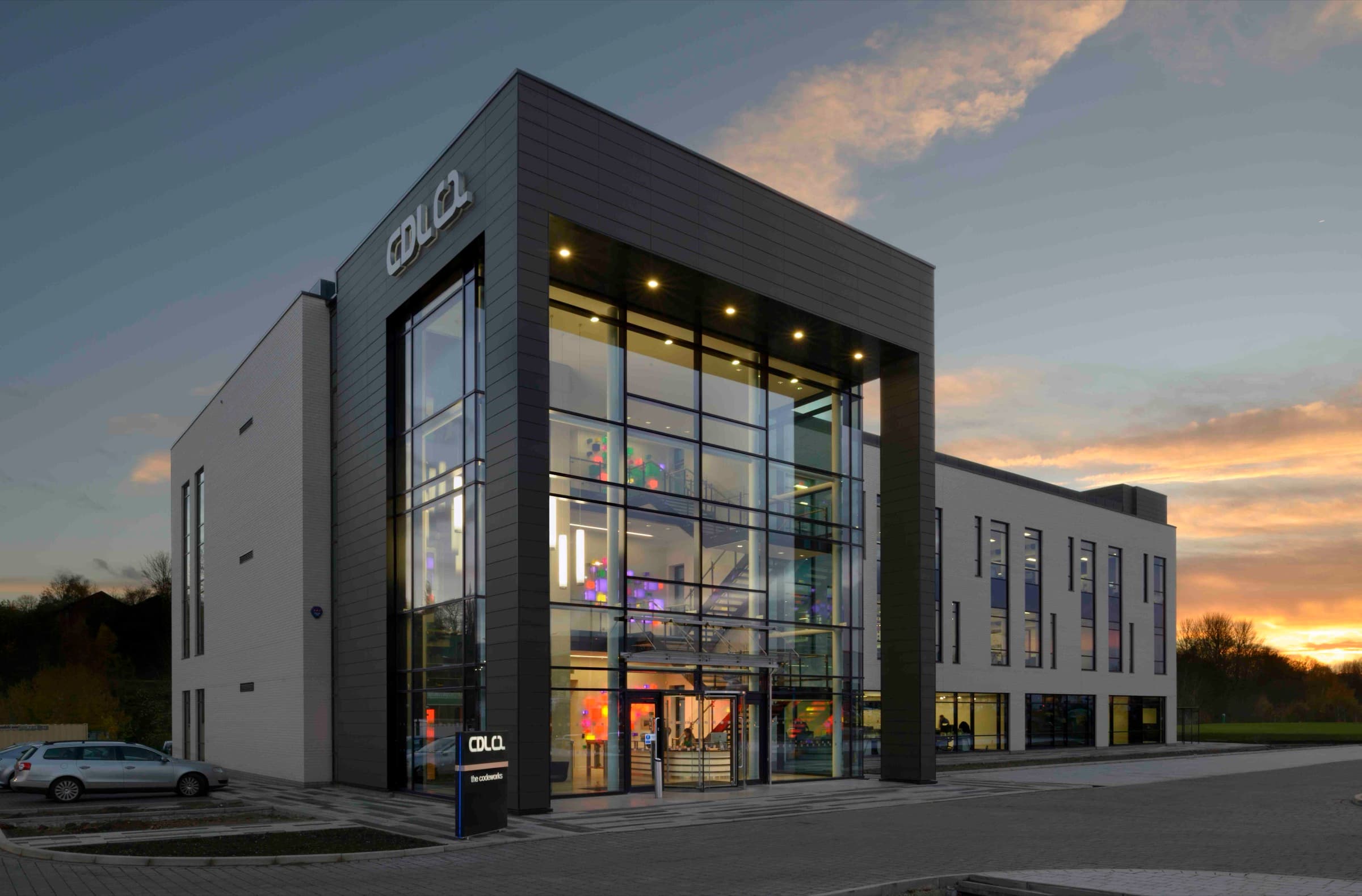
The campus also expressed a long-term commitment to Stockport. Strata House, CodeWorks and later ServiceWorks gave the company room to grow while keeping product, engineering, service and customer teams close enough for knowledge to move quickly.

We bought adjacent land because CDL needed room for the future. A campus gave colleagues and customers a visible sense of permanence, investment and scale. Place matters when it supports the work.

Technology and working life on the Stockport campus · 2022
A platform carries the judgement and obligations of the company behind it.Tom Hogg

Nigel Phillips asks

Operating at national scale

Strata was tested across comparison, self-service, telematics, direct-to-consumer services and large broker operations. When did it prove that it could support genuinely different businesses at national scale?

Tom Hogg

The evidence accumulated across distinct operating models. Each one tested a different part of the architecture and operating discipline.

The 2010 launches with Tesco Bank and Hastings brought scale, brand scrutiny and demanding service expectations. Six-week releases from 2013 demonstrated continuous change. The Ageas brands under one agreement in 2014, followed later by Swinton and Hummingbird, added further complexity and reach.

Each success enlarged the responsibility. CDL was carrying infrastructure behind nationally significant insurance businesses. Resilience, security, release discipline, operational monitoring and support had to mature with the product.

Tesco Bank became the first Strata customer on cloud-hosted infrastructure in 2015, and the remaining migrations continued through 2022. Moving live insurance businesses customer by customer over seven years demonstrated controlled modernisation: the core advanced while those businesses kept trading.

A Strata service desk in operation · CDL archive
Modernise at scale while protecting the live businesses that depend on it.Tom Hogg
Next chapterThe way CDL behaves
07

Chapter 07 · 4 exchanges

The way CDL behaves

Service, fit, competition and correction: the commercial disciplines behind the technology.

Nigel Phillips asks

Service as a growth discipline

You once said the existing customer mattered more than the new customer. Sales teams have repeated the line with varying degrees of affection. What commercial logic sat behind it?

Tom Hogg

The live customer is where the promise is tested. A new contract begins with a proposition; implementation and service reveal whether the company has the capacity and discipline to keep it.

There were periods when we slowed new sales and concentrated on getting customers working properly. That protected the asset on which future growth depended: confidence that CDL would do what it had agreed to do.

The principle also forced honesty about capacity. A technology supplier can sell the same scarce expertise several times and produce an impressive order book. The true position appears when implementation, support and product work all call on the same people.

A successful live customer renews, expands, recommends and provides the evidence that wins the next serious customer. Service and growth belong to the same commercial system.

Live customer businesses moved to cloud infrastructure with care
The live customer is where the promise is tested.Tom Hogg

Nigel Phillips asks

Fit, transition and fair dealing

You were candid about fit, even when the revenue was attractive. You also believed that a departing customer should receive its data and an orderly transition. What connected those decisions?

Tom Hogg

Respect for the customer’s business. A strong fit means the customer has the scale, operating model and ambition to use the platform well, and CDL can meet the requirement while preserving product coherence for the wider customer base.

Clarity before contract protects the implementation. It also allows CDL to advise a small broker honestly when another system will serve them better. Experience has value beyond the immediate deal.

The same respect applies during transition. Data sits at the heart of the customer’s business. An orderly transfer protects continuity and preserves the integrity of the relationship. Markets remember how suppliers behave when a contract ends.

Fair dealing is sound commerce and a straightforward view of relationships. Treat people decently and the vast majority respond in kind.

Strata in live use · CDL archive, 2005

Nigel Phillips asks

Competition, properly understood

You have always spoken about competitors with restraint, usually while making them distinctly less relaxed. What kept rivalry useful?

Tom Hogg

Competition exposes complacency and gives customers choice. The market judges products, service and results. Performance is the more persuasive argument.

Good competitors deserve respect. Acturis had done a professional job in commercial insurance because they had. Recognising good work sharpens your own standard.

The strategic discipline is to choose the contest. If a rival has tanks and you have battleships, fight in the Mediterranean. CDL’s ground was specialist insurance knowledge, technology built around the working day, long customer relationships and the freedom to invest over a longer horizon.

Watch competitors closely enough to learn. Then return to the customer and the direction of the market. That is where advantage is created.

Long-service colleagues · 2003
I’m glad there is competition because it makes me look better.Tom Hogg

Nigel Phillips asks

Conviction with correction

You were candid about the insurance marketing venture, the rejected co-operative comparison model and other ideas that reached the end of their usefulness. How did you keep conviction open to correction?

Tom Hogg

Conviction begins with a reason and strengthens through evidence. A founder has to remain attached to the purpose and intellectually free about the route.

A failed idea can still create value when the original logic was serious, the company can afford the lesson and the learning changes the next decision. The marketing company showed that our users were better suited to a different model. The comparison proposal showed that the market direction could be right while the structure and incentives needed to change.

The same discipline shaped my answer whenever people asked whether CDL was for sale. The business was financially strong, I enjoyed the work and independence kept creating room for the next investment.

Ownership had strategic value because it preserved the conditions for serious decisions and allowed the company to continue beyond its founder. The point of ownership was the freedom to keep building, learn and decide on CDL’s own horizon.

Insurance knowledge and engineering carried into the next era
Conviction sets the direction. Evidence improves the route.Tom Hogg
Next chapterLeadership and the next horizon
08

Chapter 08 · 5 exchanges

Leadership and the next horizon

Responsibility moves through new hands as the interface to insurance changes again.

Nigel Phillips asks

Succession as capability

The sequence matters. You founded and led CDL. Gary Johnson then carried the operating leadership as managing director and later CEO. I followed Gary as CEO. What did you want those transitions to establish?

Tom Hogg

Each transition had to give the next leader genuine authority while preserving the company’s judgement and customer commitments.

Gary’s progression from managing director to CEO was the first full test. CDL had to set priorities, serve customers and develop Strata with me still involved and final executive responsibility resting with Gary. The organisation had to distinguish the founder’s experience from the chief executive’s authority, then support the person accountable for the decision.

When you succeeded Gary, the company entered another phase with that first transition already embedded. The agenda had moved through cloud, data and automation towards artificial intelligence. The founding strengths still mattered; their expression had to change with the market.

Succession is established when leadership can move, the organisation retains coherence and its capacity for judgement grows. The founder’s best contribution is to add experience while strengthening the authority of the person now accountable.

The people operating Strata · CDL archive

Nigel Phillips asks

What each leader inherits

Gary and I led CDL in different contexts and with different mandates. Which principles had to endure, and where did each phase require freedom?

Tom Hogg

The enduring principles were clear: independent thought, technical ambition, respect for the customer’s live business, financial discipline, fair dealing and a serious understanding of insurance before technology decisions are made.

Those principles create demanding freedom. Each chief executive has to read the market of the moment, make decisions at the right level and explain the direction with enough precision for the organisation to act.

Architecture, channels, operating model and organisation all have to evolve. A principle earns its place by guiding change while leaving the structure free to adapt.

The useful inheritance is a standard of judgement. Each leader applies it to a different period and leaves the company more capable for the next.

A FileStore demonstration · connecting documents to the working system
Preserve the standard and build what the next market requires.Tom Hogg

Nigel Phillips asks

A new front door to insurance

The route into insurance is shifting from search and forms towards conversation, delegated workflows and agents that can act. Our current thesis moves the unit of value from policy to household, and from occasional transactions to continuous protection. Where does that connect most strongly with CDL’s history?

Tom Hogg

The historical connection is straightforward: CDL has repeatedly turned a new customer interface into dependable insurance operations.

Digital insurance first improved the journey through faster validation, better self-service and connected transactions. An intelligent agent can gather authorised information, compare options, explain consequences and complete parts of the work. That makes the operating system beneath the interface even more important.

The opportunity reaches across data, identity, permission, pricing, underwriting, payment, policy administration, service and audit. A conversational interface creates the expectation that the platform will carry the task across the whole chain.

The household view extends the logic we first saw with telematics. Current data and changing circumstances allow the system to identify needs, gaps and risk at the relevant moment. Protection becomes more continuous and more useful.

Delegated action raises the standard of consent, evidence, explanation and escalation. The customer should experience clarity; the organisation should retain governance and accountability.

Keep the information current, connect the work and turn the technology into a better decision.Tom Hogg

Nigel Phillips asks

From demonstration to production

Artificial intelligence attracts immense investment. The harder work sits in data, permissions, controls and workflow. Which test tells you that a product is ready for a serious insurance operation?

Tom Hogg

Put it into a Monday morning. Give it imperfect data, changing rules, a customer who phrases the question ambiguously, an exception that matters and an audit trail somebody will need months later. Then measure the result.

A production system has to produce an appropriate answer consistently, operate within permissions, connect to the live workflow and make responsibility clear when uncertainty remains.

It also needs an outcome measure: fewer errors, faster service, better cover, lower cost, stronger retention or a risk prevented.

Technology names change. The production test remains: solve a material problem, operate reliably, work within the controls and justify the economics. That is how a demonstration becomes infrastructure.

Nigel Phillips asks

What fifty years adds up to

Fifty years gives us enough evidence for a precise answer. Which parts of the result make the life invested in CDL feel worthwhile?

Tom Hogg

Customers built businesses on CDL. Colleagues built careers, expertise and friendships here. The company created skilled work in Stockport, supported its community and reinvested through successive generations of technology.

I am proud that the reasoning behind many decisions still holds, and prouder of the people who improved those ideas or recognised when one had reached its limit.

CDL became durable because responsibility passed through many hands and the work kept improving. Family belongs in that pride; Jessica’s contribution belongs in any truthful account of the beginning.

The result is a living technology company, ambitious in its engineering and capable of carrying itself forward. The achievement is a company that can keep making good decisions. After this much looking back, I would quite like to know what you are building next.

The achievement is a company that can keep making good decisions.Tom Hogg